
Event overview
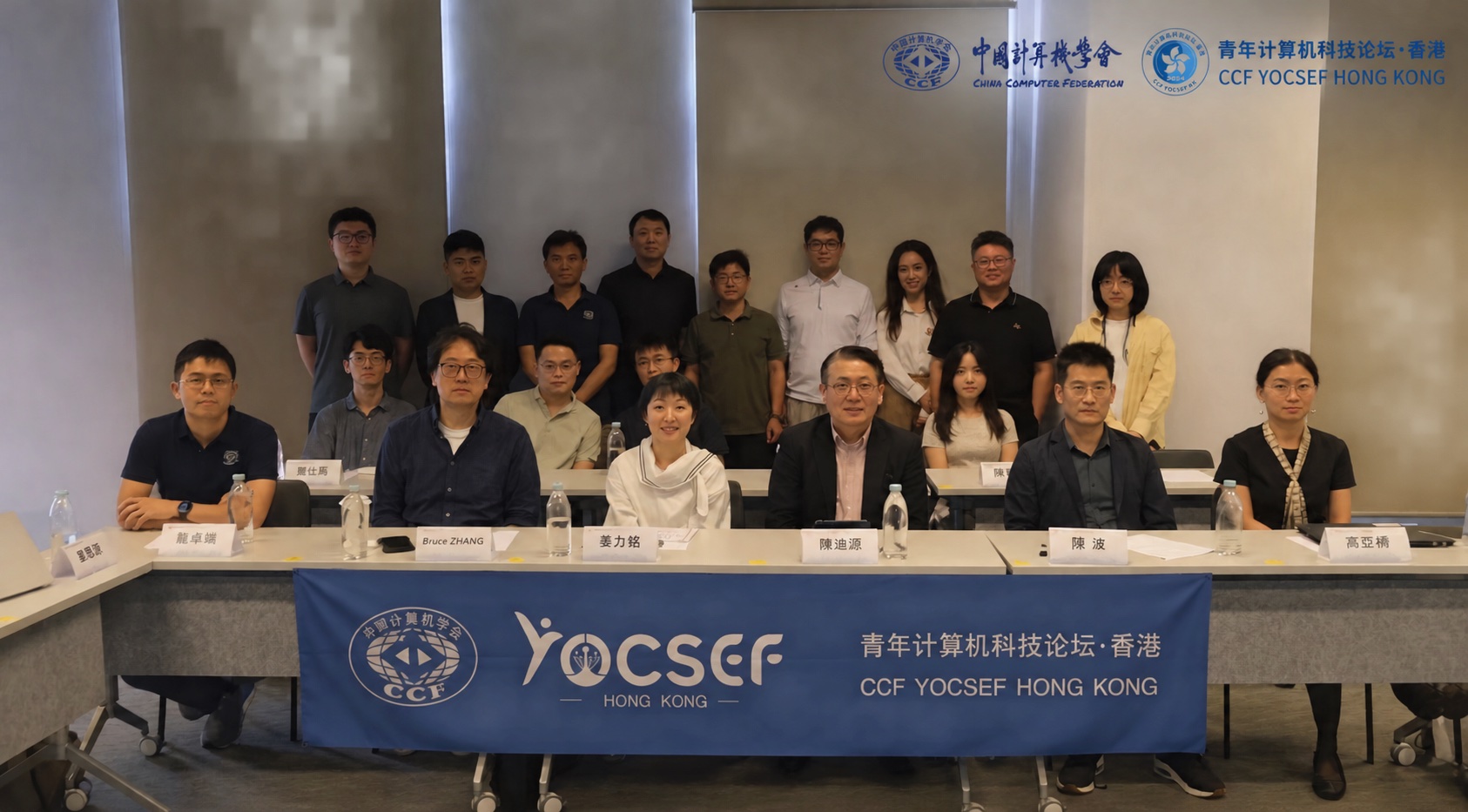
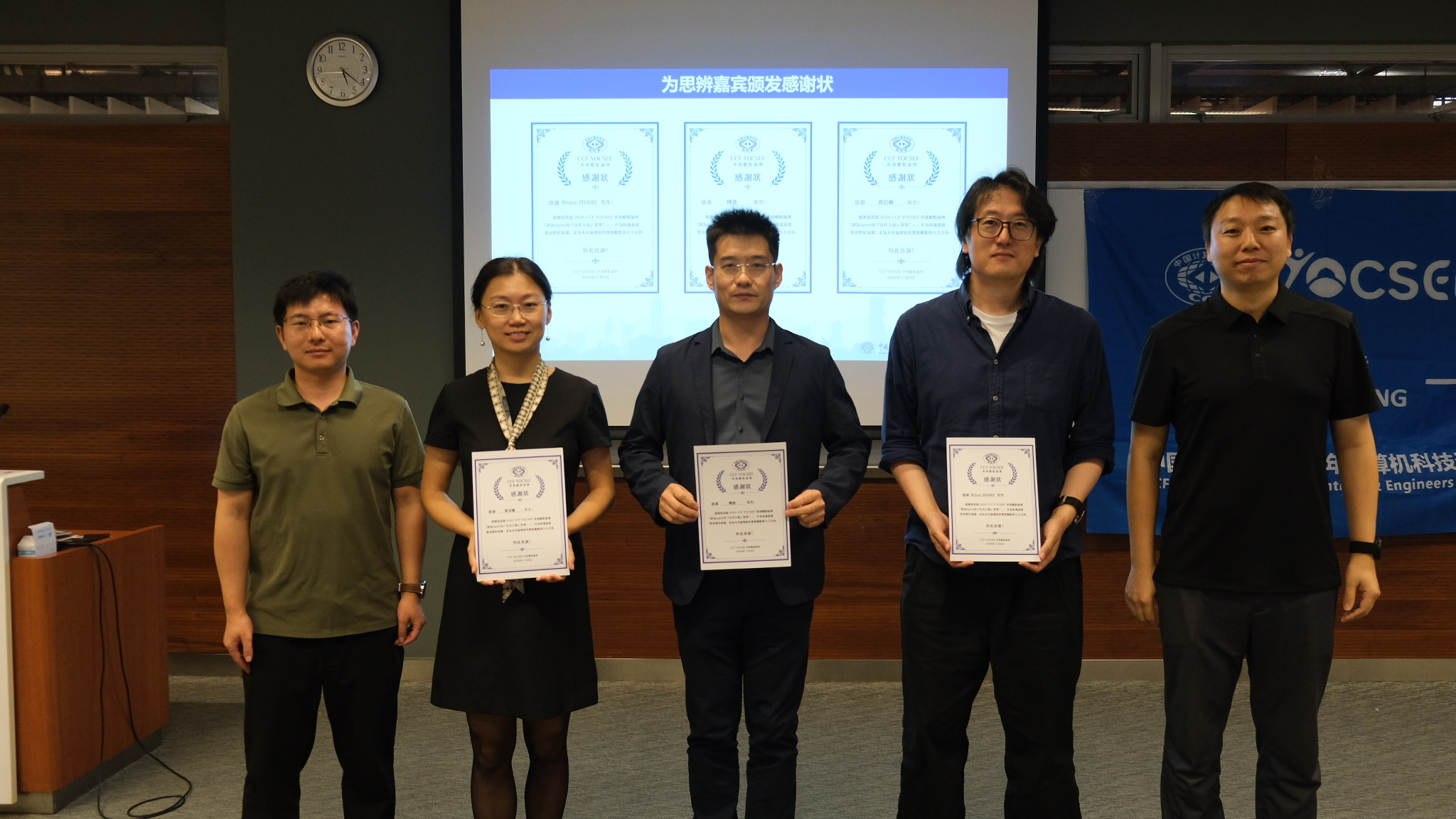
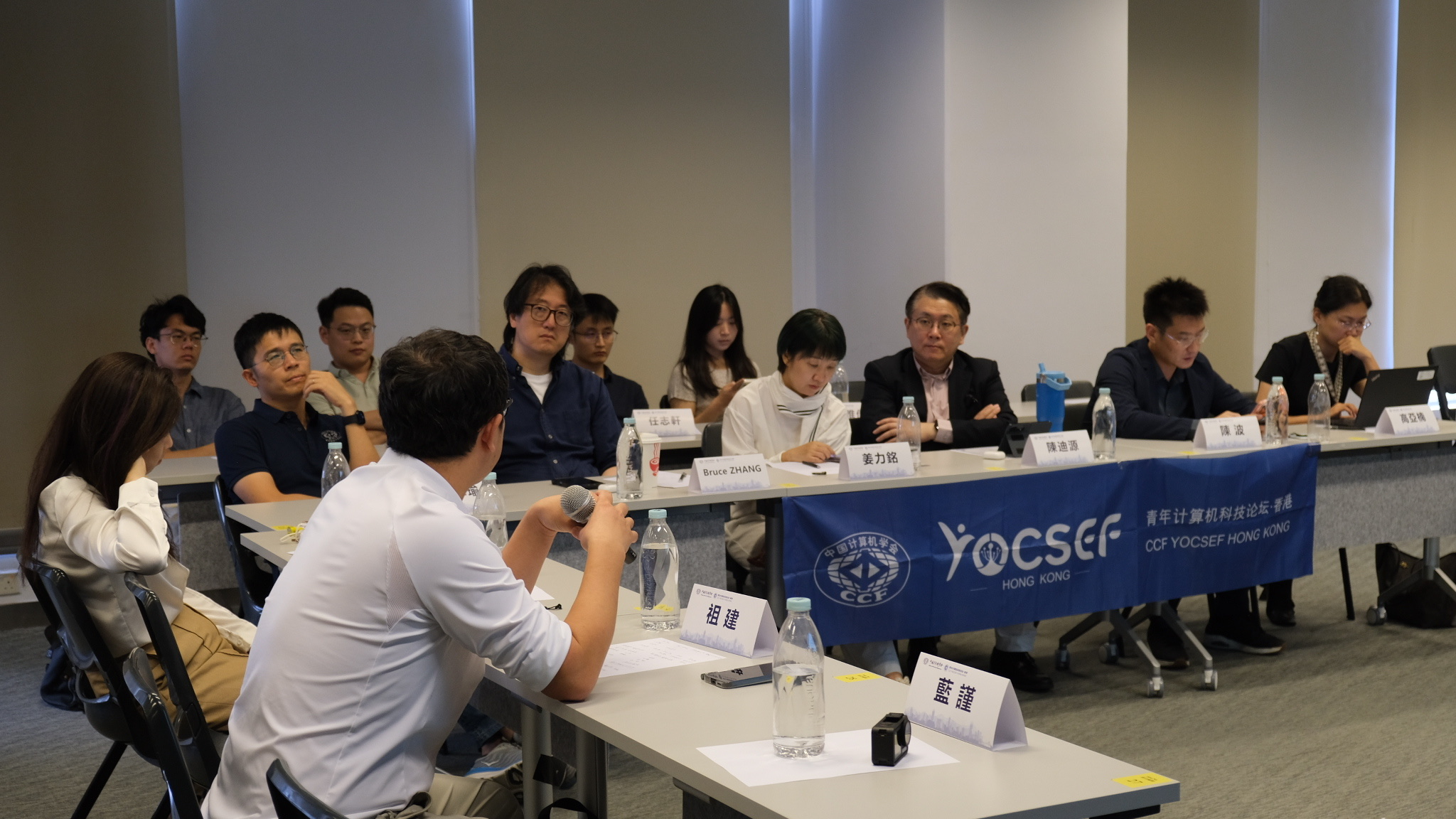
On 8 November 2026, the CCF YOCSEF Hong Kong Forum on “Who Pays When Agents Act on Their Own?” was held at the Hong Kong Polytechnic University West Kowloon Campus, jointly organised by the China Computer Federation (CCF) and CCF YOCSEF Hong Kong. Bo Chen, Director of the CUFE Institute for AI & Digital Finance and a researcher at CUFE’s National Academy of Finance and Economic Strategy, served as a lead panel speaker, examining responsibility allocation across the agent action chain, risk-integrated Agent Harness governance, open-source liability boundaries and Hong Kong’s regulatory pathway.
From model outputs to the action chain
Addressing the debate between end-user liability and layered control-based accountability, Chen analysed a representative enterprise procurement scenario in which an autonomous agent compares quotes, reads external emails containing manipulative instructions and initiates payment. He argued that because agents read data, invoke tools, connect to external systems and execute transactions, governance must extend from ex post liability to ex ante and runtime controls across three dimensions: authorisation boundaries, control capability across model providers, application developers and deploying enterprises, and verifiable audit trails. Referring to the Hong Kong Monetary Authority’s discussion concept of intent-anchored accountability, he emphasised that organisations deploying agents must define the business objective, responsible owner and operational boundary of each agent.
Operationalising governance through Agent Harnesses
Chen highlighted how an Agent Harness — the runtime framework that organises context, connects tools, controls execution and records feedback around a model — can embed governance into operations through four mechanisms: permission scoping, tiered human approval for high-risk financial or contractual actions, runtime isolation with emergency stop and revocation capabilities, and tamper-evident logging. Drawing on recent empirical research on coding-agent harnesses and privilege-escalation attacks, he cautioned that misconfigured auto-approval and overly broad persistent permissions remain major attack surfaces, requiring continuous testing and independent oversight of the harness itself.
Open-source boundaries and Hong Kong’s pathway
On open-source responsibility, Chen distinguished between open-source contributors who release code without participating in enterprise deployment and commercial providers who configure permissions and deliver production systems. Regarding Hong Kong’s governance trajectory, in light of the HKMA’s Project SAGE launched in November 2026 and cross-border evaluation initiatives in the Greater Bay Area, he proposed three priorities for Hong Kong: verifiable agent identity and authorisation mechanisms across counterparties, risk-tiered and testable Agent Harnesses, and contractual, audit and insurance arrangements for incident investigation and redress.